April 15thReflections from our Indigenous Relations Working Group Workshops at Gathering 2026
Reflections from our 2026 Indigenous Relations Working Group ADS Workshops
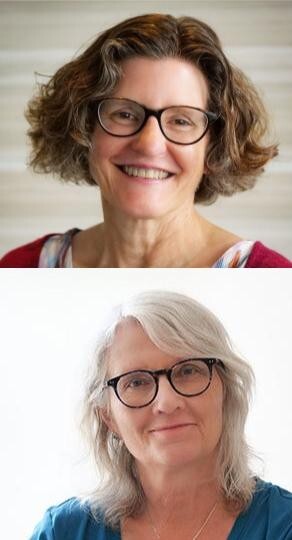
Suzanne Gross and Ruth Bergen Braun
At the 2025 MCA Gathering, the newly established Indigenous Relations Working Group (IRWG) held circle conversations to get to know the knowledge, experience, and longings of our Alberta Mennonite community and learned there was a desire to have opportunity to build relationships with Indigenous people. We then encouraged attendees to attend pow-wows, round dances, and to be courageous in starting conversations with Indigenous neighbours.
Since then, the IRWG has been dreaming of and planning for a retreat June 5-7 at Camp Valaqua – on Treaty 7 land. We began with a small circle of two Mennonites and two Indigenous elders, and are expanding our circle to include members of the Creation Care and IR Working Groups. We hope that at the retreat, our elders, Ollie and Virgil, will share teachings of the history and topography of the land.
Leading up to this retreat, IRWG organized a Book/Bible study on “Becoming Kin” by Patty Krawec that concluded April 7. Krawec peppers the book with Indigenous perspectives and Biblical references giving us a parallel scriptural structure to her ideas and challenges. Thus we ground the work of Truth and Reconciliation in our own scriptural wisdom.
Suzanne and Ruth organized our two 2026 workshops as a time to reconnect with our experie
nces and longings on the different lands and treaty histories we come from. We moved to two areas out of our book study: grief experienced by the Indigenous at the hands of government policies and decisions that displaced, disenfranchised and tried to erase Indigenous culture, languages, and ways; and some helpful strategies to become stronger, more grounded allies.

Afternoon Workshop Participants, L-R: Marie Moyer, rob peters, Suzanne Gross, Ruth Bergen Braun
(on the computer screen), Valerie Proudfoot, Eric Klaassen (photo credit: Linda Dickinson)
Workshop reflections:
We shared memories of having attended some of the TRC gatherings, hearing stories of loss and abuse. We used “violation and humiliation” to describe the treatment and experience of Indigenous people in our past and present, contributing to the profound grief in many Indigenous stories, such as:
- casting indigenous culture as “evil”
- taking land and displacing Indigenous people
- taking children at a young age away from family and placing them in residential schools
- giving children messages of cultural and linguistic inferiority
- cutting hair, burning clothes, and giving new names without permission
- incarcerating for small crimes (e.g. for drinking beer in a standing car on reserve....)
- 60s scoop and the current foster care system as an extension of the strategy of removing children from Indigenous families
- betrayals of promises made through treaty
- system “control” e.g. saying “can’t do” when asked to accommodate indigenous ways, especially around kinship (e.g. keeping families together)
We heard that unhelpful messages such as “they should just get over it” are still prevalent.
As a group, we shared strategies to become better allies:
- we must tell our full (Mennonite/family) histories – the good and the bad; and we must share our stories courageously and honestly
- we must expand our points of interactions – from our systems (e.g. prison, school, hospitals) to coffee shops and pool halls (yes! One of us plays pool in the community!)
- recognizing that Indigenous spirituality is not a religion, it is rooted in ceremony of smudge, prayer, drumming, dancing...
- working on forming deep relationships as a strategy for making meaningful amends rather than count on the government to make amends
- offering land acknowledgements from the heart, embedded in prayer and commitment to good relations
- “Do the work and get to know us!” We must put ourselves aside to form mutual relationships
- pay attention to what we hold in our “sacred bundles” -- that they contribute to good relations with Creator God, with each other and that they heal that which needs healing.

In the first session, one participant requested a quick review of the medicine wheel as a tool all of us might benefit from using. The medicine wheel is a circle with four quadrants that serves to keep us in healthy balance, a tool to keep our physical, mental, emotional and spiritual axes in balance by connecting to the four directions, the four seasons, the created world, and our own journey as children of our Great Spirit God. When we reconnect to the medicine wheel, we become good medicine for our own healing, for the healing of the community, and for the healing of the earth.
In the second session, we heard a story of learning from Elder Ollie that the Camp Valaqua old chapel site, by the creek, used to a be a sacred gathering place for ceremony, and how grateful Ollie was that this place continues to be used for sacred gatherings.
As we continue on the path of understanding Truth and living into Reconciliation, may we put into practice the wisdom that came together in our sessions!
May it be so! Amen.